US Administration Agrees to Allow Saudi Arabia Uranium Enrichment Amid Nuclear Energy Deal Talks
The Trump administration tentatively approves uranium enrichment for Saudi Arabia without enhanced IAEA inspection guarantees, raising proliferation concerns.
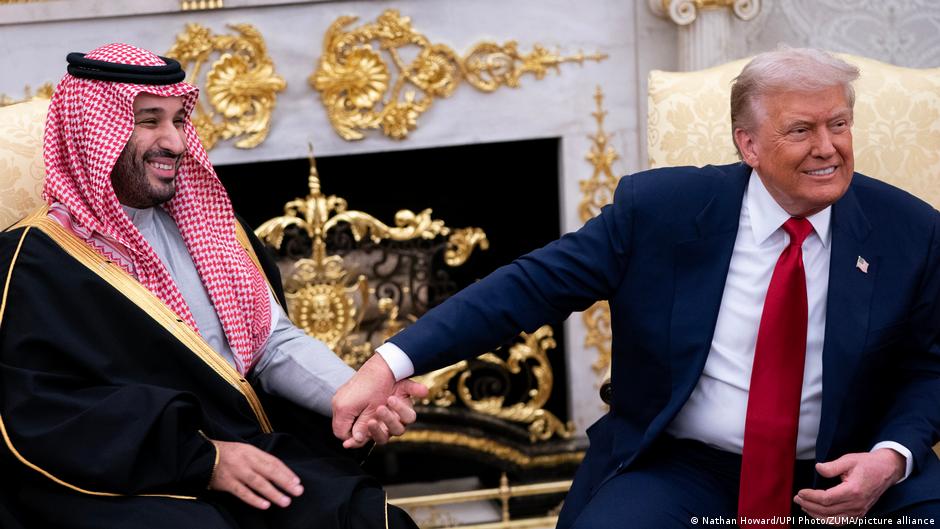
The administration of then-President Donald Trump has tentatively agreed to permit Saudi Arabia to enrich uranium without imposing strict safeguards that would typically restrict nuclear weapons development, according to reports from sources familiar with the negotiations.
This move is part of a proposed bilateral agreement between Washington and Riyadh aimed at advancing Saudi Arabia's civilian nuclear energy program. The deal envisions American support for developing Saudi Arabia's nuclear energy infrastructure, potentially opening new avenues for the kingdom's energy diversification.
Implications for Nuclear Non-Proliferation and Investor Confidence
Experts consulted have noted that the agreement notably lacks requirements for Saudi Arabia to adopt the International Atomic Energy Agency's (IAEA) Additional Protocol. This protocol grants the IAEA expanded inspection rights to verify the absence of undeclared nuclear materials and activities. Without such commitments, the deal could inadvertently allow Saudi Arabia to pursue nuclear weapons capabilities under the guise of civilian energy development.
"The absence of stringent inspection guarantees might open a pathway for Saudi Arabia to develop nuclear arms," said a nuclear policy expert familiar with the negotiations.
Previously, Saudi Crown Prince Mohammed bin Salman indicated that if Iran were to develop nuclear weapons, Saudi Arabia would seek to do the same, highlighting the geopolitical tensions underpinning this agreement.
From a financial and investment perspective, this evolving nuclear partnership signals increased U.S. involvement in Saudi Arabia’s energy sector, potentially affecting market dynamics in the Middle East’s energy markets. However, geopolitical risks and proliferation concerns could lead to heightened regulatory scrutiny and market volatility, factors investors and stakeholders should monitor closely.
Negotiations on the cooperation framework concluded as recently as late 2025, yet the agreement awaits formal signing by President Trump. Reportedly, ongoing conflicts involving the U.S., Israel, and Iran have contributed to the delay, injecting additional uncertainty into the timeline and final terms of the deal.
For investors and financial analysts, these developments underscore the complex interplay between geopolitical strategy and energy market investments. The potential expansion of Saudi Arabia's nuclear energy capabilities, coupled with the absence of rigorous inspection protocols, represents both opportunity and risk in regional energy market forecasts and international regulatory environments.