US Announces Three-Week Extension of Israel-Lebanon Ceasefire Amid Diplomatic Talks
President Trump confirms the ceasefire extension and highlights upcoming meetings with Israeli and Lebanese leaders as part of ongoing peace efforts.
The ceasefire between Israel and Lebanon has been extended for an additional three weeks, according to a statement by U.S. President Donald Trump. The announcement reflects ongoing diplomatic efforts to stabilize the region and create conditions for peaceful resolution.
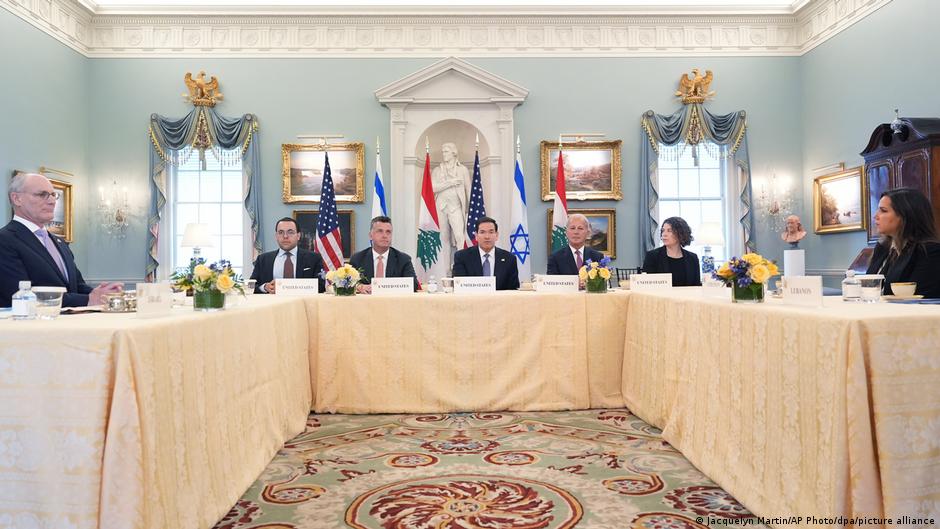
President Trump disclosed the extension on April 23 via his social media platform, Truth Social, emphasizing the successful high-level meetings that led to the agreement. The discussions involved multiple U.S. officials, including Vice President J.D. Vance, Secretary of State Marco Rubio, and U.S. ambassadors to Israel and Lebanon, Mike Huckabee and Michelle Issa, respectively. Representatives from both Israel and Lebanon also participated in the talks.
Diplomatic Engagement and U.S. Involvement
President Trump stated, "The meeting was very successful! The United States will work with Lebanon to help it defend itself against Hezbollah." Highlighting his commitment to the diplomatic process, he also expressed anticipation for hosting Israeli Prime Minister Benjamin Netanyahu and Lebanese President Joseph Aoun in the near future. Trump described his involvement as a "great honor" during what he called a "historic meeting."
This development follows a significant milestone on April 14, when direct talks between Israeli and Lebanese representatives were held in Washington for the first time since 1993. Led by the ambassadors of both countries to the United States, this session aimed to foster direct communication channels focusing on peaceful conflict resolution. The U.S. State Department characterized the meeting as a "historic milestone" and reaffirmed its readiness to support both nations toward concluding a comprehensive peace agreement.
Earlier, on April 9, the Israeli government officially announced directives from Prime Minister Netanyahu to initiate direct negotiations with Lebanon. The agenda included disarmament of Hezbollah, a Lebanese militant group allied with Iran, and the normalization of bilateral relations.
"The United States will collaborate with Lebanon to help it defend itself against Hezbollah," President Trump said, underscoring ongoing U.S. engagement in regional security.
Financial and Political Implications
While primarily a geopolitical event, the extension of the ceasefire and renewed negotiations have significant financial and economic implications. Stability in the Israel-Lebanon border region can reduce military expenditures and risk premiums on investments tied to both countries. Additionally, progress toward peace may open avenues for cross-border commerce, infrastructure development, and energy projects in the Eastern Mediterranean, positively impacting regional economies.
Investor relations teams for companies operating in Israel and Lebanon will likely monitor these developments closely, as changes in political risk directly affect market confidence and credit ratings. Diplomatic breakthroughs may improve the investment climate, potentially leading to increased foreign direct investment and economic growth.
Overall, the United States’ facilitation of this ceasefire extension and peace dialogue signals a strategic approach to fostering regional stability, which may have long-term benefits for financial markets and economic development in the Middle East.