US Extends Temporary License for Serbian Oil Company NIS Amid Sanctions and Ownership Transition
The US Treasury prolongs operational permissions for NIS, allowing continued refining activities despite sanctions linked to Gazprom's stake sale process.
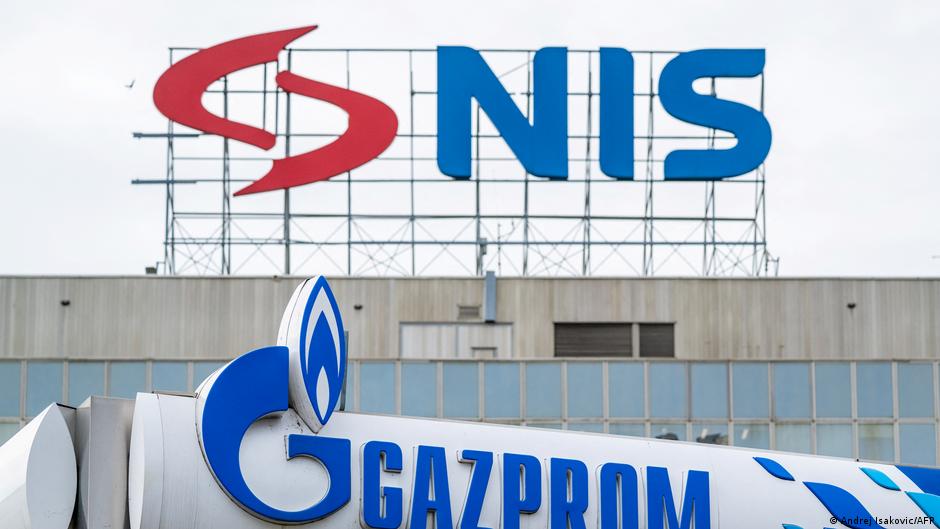
The United States government has once again extended the temporary license permitting the Serbian oil company Naftna Industrija Srbije (NIS) to operate under existing US sanctions. This extension, announced on June 30, 2026, grants NIS an additional 30 days to maintain its operations while the process of divesting Russian-controlled ownership stakes continues.
Sanctions Background and Ownership Structure
NIS, a major player in Serbia's energy sector, has been subject to US sanctions since January 2025 due to the significant ownership stakes held by Russian entities, primarily Gazprom and its investment arm. The US Treasury’s Office of Foreign Assets Control (OFAC) mandated the sale of Gazprom’s combined 56% ownership share in NIS, which includes 44.9% held by Gazprom Neft and 11.3% by Gazprom’s investment division.
The Serbian government retains a 29.9% stake in NIS, which remains strategically important to the nation's fuel security. NIS supplies approximately 80% of Serbia’s gasoline and diesel needs, and over 90% of its jet fuel and heavy fuel oil consumption.
Operational Continuity and Transaction Delays
“The refinery in Pančevo continues to process crude oil, ensuring stable fuel supplies despite geopolitical constraints,” stated Dubravka Đedović-Handanović, Serbia’s Minister of Energy.
The sanctions initially imposed in October 2025 led to the suspension of crude oil deliveries through the Adriatic pipeline (JANAF) across Croatia and halted production at the Pančevo refinery. However, with the issuance of successive temporary licenses, NIS has been allowed to resume and maintain refining operations.
On January 19, 2026, Hungary’s MOL Group signed an agreement to acquire Gazprom’s shares in NIS. The initial deadline set by OFAC to conclude the transaction was May 22, 2026. Since then, the US authorities have extended this deadline multiple times, reflecting ongoing negotiations and regulatory reviews.
Financial and Strategic Implications
The extended temporary licenses provide critical breathing room for all stakeholders involved. For investors and market analysts, the continuation of NIS’s operational capabilities mitigates immediate supply disruptions in Serbia’s fuel market and preserves the company’s revenue streams.
However, the delay in finalizing the share transfer introduces uncertainties related to governance and strategic direction. MOL’s acquisition is positioned to reshape the company’s financial profile and investor relations, as it integrates into a larger regional energy portfolio.
As this transaction progresses, investors and market watchers will keenly observe developments in OFAC’s approvals and any shifts in NIS’s financial disclosures, particularly concerning revenue, operational costs, and capital expenditures required to stabilize production amid geopolitical pressures.