US Imposes New Sanctions on Cuban State Companies Controlling 40% of GDP
Washington targets five key Cuban state-owned firms amid escalating tensions, affecting significant sectors and assets linked to military-run conglomerate GAESA.
The US government has expanded its economic pressure on Cuba by imposing new sanctions on five crucial state-owned companies that manage roughly 40% of the island nation's GDP. The move, announced on June 23, targets entities tied to Cuba's military-controlled business conglomerate, Grupo de Administración Empresarial S.A. (GAESA), which holds liquid reserves estimated at $14.5 billion as of 2024.
Sanctions Target Strategic Economic Sectors
The newly sanctioned companies are involved in key areas such as the export and import of goods, foreign investment activities, financial operations, and raw steel production. These measures also extend to the spouse of Alejandro Castro, head of the Cuban National Security Council and son of former President Raúl Castro.
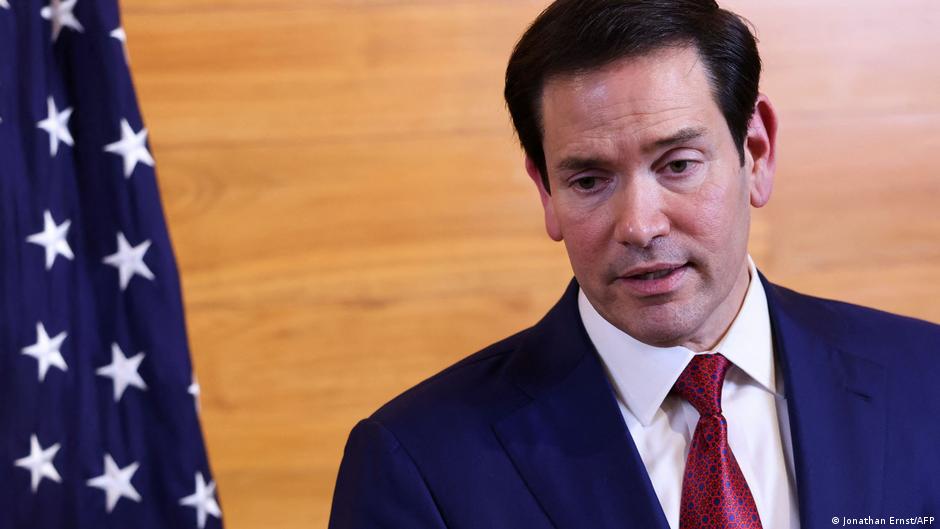
US Secretary of State Marco Rubio emphasized that the Cuban regime exploits GAESA for its personal enrichment as well as to finance repression, espionage, and anti-American activities. Rubio, himself a son of Cuban exiles, stated that these sanctions aim to curtail the financial capabilities of Cuba's ruling elite.
"The Cuban government uses GAESA to enrich itself and fund repressive and hostile actions against the United States," Rubio declared.
In response, Cuban Foreign Minister Bruno Rodríguez condemned the sanctions as "relentless aggression and collective punishment," labeling Rubio as "dishonest and deceitful." This latest round of sanctions signals a continued deterioration in US-Cuba relations.
Legal Developments and Financial Implications
Amid this escalating confrontation, the US Supreme Court affirmed the right of American companies to seek compensation for properties nationalized by the Cuban government under Fidel Castro's regime decades ago. This ruling enables firms such as ExxonMobil to initiate lawsuits against Cuban firms operating refineries, oil terminals, and over 100 gas stations once confiscated from them.
According to reports, the compensation claims could approach up to one billion dollars. This legal endorsement potentially strengthens the US administration's stance and could intensify tensions between Washington and Havana.
The sanctions against GAESA-affiliated companies, combined with judicial developments, indicate a strategic US approach to undermine the economic base and financial networks of the Cuban government, especially those tied to the military and political elite. Investors and market analysts will closely monitor how these measures impact Cuba's external investment climate and the balance sheets of involved entities.