US Military Strikes Targets in Iran for Ninth Consecutive Night Amid Escalating Conflict
Sustained US attacks aim to degrade Iran’s military potential amid ongoing regional tensions and retaliatory strikes.
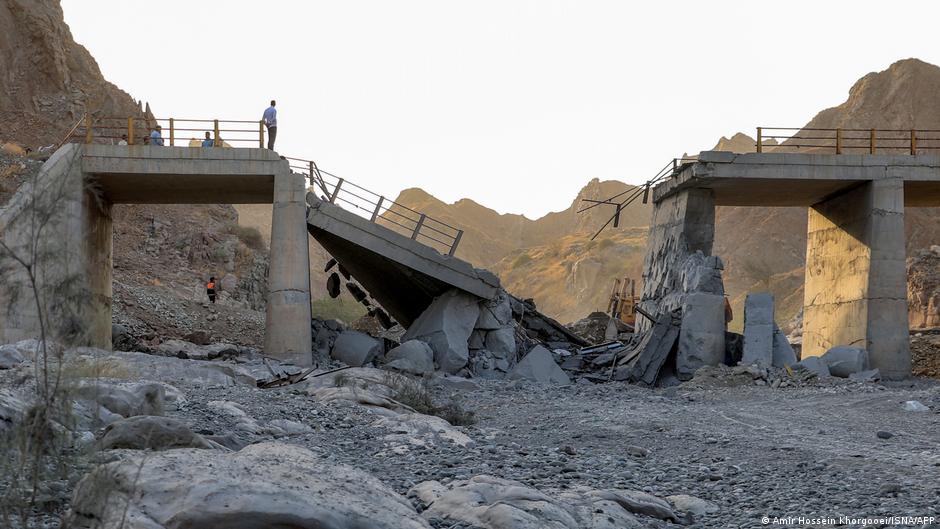
The United States military has conducted airstrikes against targets in Iran for the ninth consecutive night following the breakdown of a ceasefire between Tehran and Washington. In response, Iran has launched attacks on American military facilities in Kuwait and Bahrain, escalating tensions in the region.
Ongoing Military Operations and Strategic Impact
On July 20, US Central Command (CENTCOM) announced that strikes commenced at 2:30 a.m. Iranian local time. The targeted operations are intended to further degrade the Islamic Republic's military capabilities, which, according to the US, have been employed to conduct attacks against commercial vessels and civilian mariners in the strategically vital Strait of Hormuz.
Meanwhile, Iran’s Islamic Revolutionary Guard Corps (IRGC) has intensified its military responses, including assaults on American military installations located in Kuwait and Bahrain. The IRGC also reported detaining two oil tankers attempting to enter or exit the Strait of Hormuz via the southern route, which it labeled as illegal activity. State media confirmed that these vessels subsequently exploded, underscoring the heightened risk to maritime traffic in the region.
“Tonight, we struck them again with a very serious blow,” said US President Donald Trump, emphasizing that the operations were in honor of US soldiers killed in the conflict.
The US president made these remarks upon returning to Washington from the FIFA World Cup final, framing the military strikes as a direct response to the deaths of American service members. Since the latest escalation began, CENTCOM has reported three additional US military fatalities, bringing the total number of American troops killed in the conflict with Iran to 17.
Implications for Regional Energy Markets
The ongoing hostilities have also affected commercial navigation and energy supplies. Maritime traffic through the Strait of Hormuz experienced a sharp decline over the past weekend amid the intensifying military confrontation. According to data from the London Stock Exchange, only four vessels transited the strait on July 19, down from eight the previous day.
Despite these disruptions, S&P Global reports that liquefied natural gas (LNG) production in Qatar and the United Arab Emirates remains relatively stable. However, the volume of LNG stored on tankers waiting to transit the Persian Gulf has increased, with approximately 1.9 million tonnes of LNG capacity currently held offshore. This buildup highlights potential supply chain vulnerabilities should the conflict further impede maritime routes.
Investors and market analysts are closely monitoring the situation, as continued military action and its effects on energy transportation may impact global energy prices and regional economic stability. The persistence of US strikes, Iranian retaliations, and the strategic significance of the Strait of Hormuz underscore the complex geopolitical risks facing energy markets in the Middle East.