US Senate Votes to End Military Engagement with Iran Amid Ongoing Peace Talks
The Senate passed a non-binding resolution urging withdrawal of US forces from Iran conflict zones, reflecting rising congressional concerns.
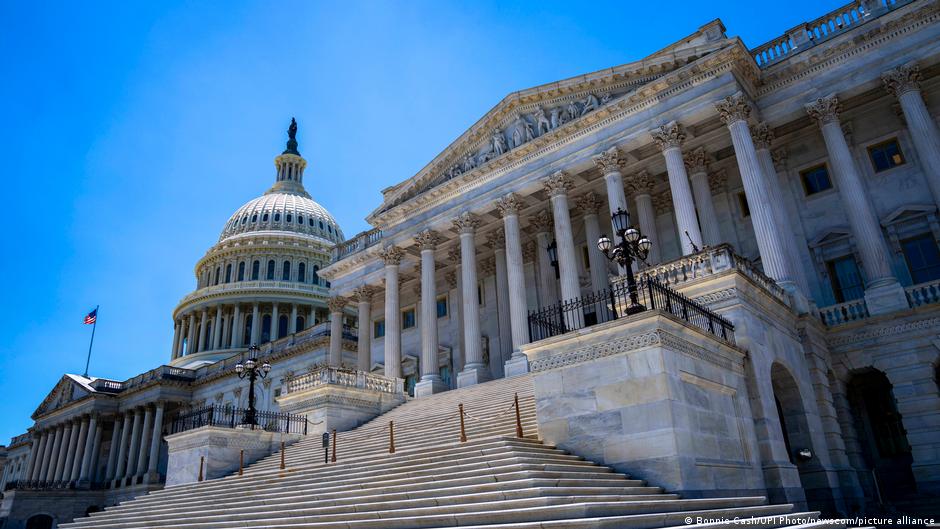
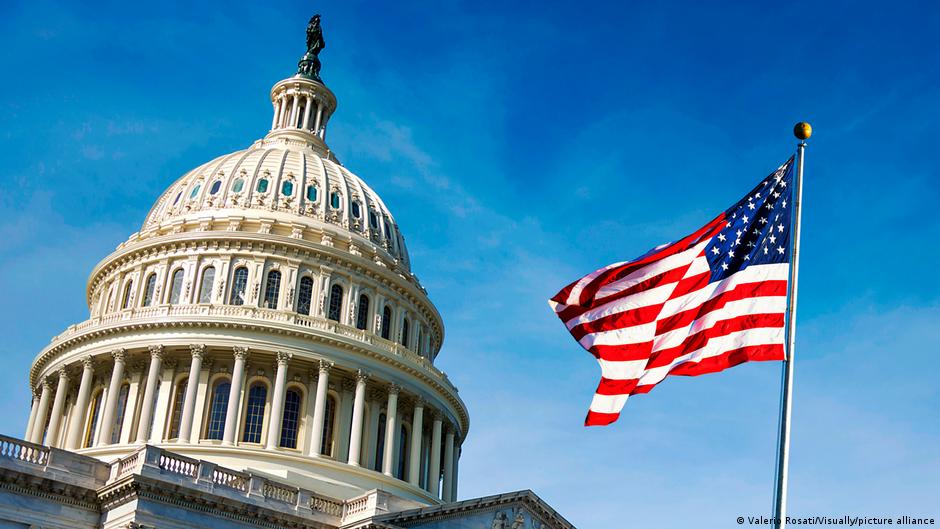
On June 23, the US Senate voted 50-48 in favor of a resolution calling for an end to military actions against Iran and urging the withdrawal of American forces from combat zones involving Iran. This move follows earlier approval of the resolution by the House of Representatives and marks a significant expression of congressional unease about the ongoing conflict that began in February 2026.
Implications of the Senate Resolution on US Military Engagement
The resolution, initiated by Senate Democrats, signals a clear message that any resumption of hostilities should not proceed without explicit congressional approval. It demands that President Donald Trump remove US troops from areas of active engagement with Iran or against Iranian forces. However, the resolution is largely symbolic, as it does not carry legally binding authority and cannot be vetoed by the President.
"Congress must clearly indicate that renewed military actions require its consent," stated several Democratic senators during the vote.
The White House has dismissed the resolution's impact, citing the absence of Republican senators during the vote and emphasizing that no ongoing combat operations currently necessitate troop withdrawal. The administration maintains that a ceasefire initiated on April 17 has effectively ended hostilities, leaving no active combat zones from which to withdraw.
Despite the ceasefire, limited exchanges of hostilities between the US and Iran have continued. Notably, in mid-June 2026, Washington and Tehran signed a two-month memorandum of understanding aimed at halting military actions across all fronts, including Lebanon, lifting sanctions on Iran, and establishing a fund for Iran’s reconstruction.
Progress in Diplomatic and Security Negotiations
Diplomatic efforts continue as the US and Iran negotiate a broader peace agreement. President Trump recently announced that the parties have reached preliminary agreements on key issues such as nuclear oversight, sanctions relief, and navigation rights in the strategically vital Strait of Hormuz.
According to Trump, Iranian authorities have consented to allow international inspections of their nuclear facilities, a step that could facilitate further progress in the peace process. This development underscores an evolving dynamic where political and military decision-making is increasingly influenced by congressional oversight and diplomatic engagement.
Investor and financial analysts are closely monitoring these geopolitical developments, as a reduction in military tensions could stabilize regional markets and impact global energy prices. Furthermore, clarity on US military commitments and foreign policy direction may influence investor confidence and affect defense sector equities.